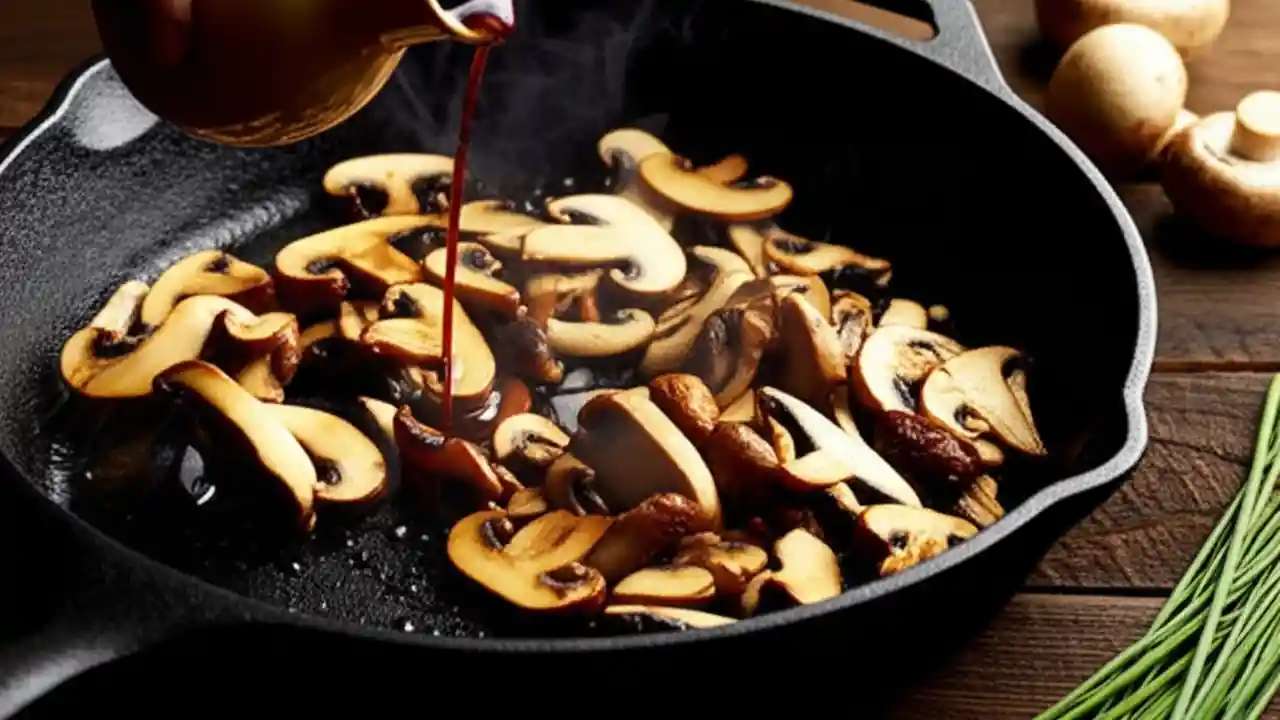
The Secret to Unforgettable Soy Sauce Mushrooms: Never Suffer Soggy Again!
Imagine perfectly plump, deeply savory mushrooms, glistening with a rich, buttery sauce, ready to crown your favorite steak or nestle into a bed of creamy mashed potatoes. This isn't just a dream; it's the reality of mastering the art of
Minute Soy Sauce Mushrooms: Easy Buttery & Juicy Side. Often hailed as the ultimate side dish, these humble fungi, transformed by a simple yet potent combination of butter, garlic, and soy sauce, have become a go-to for home cooks seeking big flavor with minimal fuss. But there's a common pitfall that can turn this culinary delight into a watery disappointment: sogginess.
If you've ever ended up with a pan full of limp, uninspired mushrooms instead of the juicy, saucy gems you craved, you're not alone. The good news? Achieving that ideal balance of tender interior and deeply caramelized exterior is entirely within your reach. This comprehensive guide will walk you through every step, from selecting the right mushrooms to employing clever techniques that prevent sogginess, ensuring your soy sauce mushrooms are always the star of the plate.
The Unbeatable Appeal of Soy Sauce Mushrooms
At its heart, the appeal of soy sauce mushrooms lies in their striking simplicity and incredible versatility. Born from pantry staples, this dish delivers an umami explosion that can elevate almost any meal. It's a quick-cook wonder, often ready within 10-15 minutes, making it an ideal candidate for busy weeknights when you need a flavorful side without extensive prep. Whether you're topping off a succulent steak, enriching a hearty meatloaf, or adding depth to a simple bowl of
Pantry Staple Soy Sauce Mushrooms: Elevate Any Weeknight Meal, these buttery, juicy, and intensely savory mushrooms never disappoint.
Beyond their speed and ease, soy sauce mushrooms offer a delightful textural contrast. When cooked correctly, they boast a slight chewiness, a tender bite, and a rich sauce that clings beautifully, avoiding the dreaded sliminess that undercooked or overcrowded mushrooms can sometimes exhibit. They're equally at home alongside German pork chops, oven-baked salmon, Instant Pot pork dishes, or even mixed into homemade egg noodles. This dish isn't just a side; it's a flavor enhancer that pulls a meal together, proving that sometimes, the simplest ingredients yield the most satisfying results.
Essential Ingredients for Perfectly Sautéed Soy Sauce Mushrooms
The magic of soy sauce mushrooms truly shines when you start with quality ingredients and understand their role in the cooking process. While the recipe calls for just a few basics, paying attention to these details makes all the difference between good and truly great.
Choosing Your Fungi: The Best Mushroom Varieties
For this recipe, simplicity is key. You don't need exotic, expensive mushrooms; common varieties actually perform best for this quick sauté.
- Button Mushrooms: These are a classic choice for a reason. Their mild flavor and firm texture hold up well to sautéing, releasing their moisture and then reabsorbing the savory sauce beautifully.
- Cremini Mushrooms (Baby Bellas): A step up in earthiness from button mushrooms, creminis offer a slightly deeper, more robust flavor. They're essentially young portobello mushrooms and provide excellent texture.
- Portobello Mushrooms: While typically larger, smaller portobellos or sliced larger ones can also work, bringing an even meatier texture and more intense flavor.
Avoid overly delicate varieties like morels or chanterelles, which are better suited for preparations where their subtle nuances won't be overshadowed. Regardless of your choice, ensure your mushrooms are fresh, firm, and wiped clean with a damp cloth or soft brush – avoid soaking them, as they absorb water like sponges, contributing to sogginess.
The Flavor Foundation: Butter, Garlic, and the Right Soy Sauce
*
Butter: This is non-negotiable for that rich, luscious, restaurant-quality flavor. Salted or unsalted butter works; if using salted, adjust any additional salt you might add later. The milk solids in butter also contribute to the beautiful browning (Maillard reaction) of the mushrooms.
*
Garlic: Freshly minced garlic is paramount. It infuses the butter and mushrooms with its pungent, aromatic notes. Avoid pre-minced garlic in a jar, as it lacks the vibrant punch of fresh cloves.
*
Soy Sauce: This is where the umami magic happens. We highly recommend using
low-sodium soy sauce. Why? Because regular soy sauce can quickly overpower the delicate mushroom flavor, leading to an overly salty dish. Low-sodium varieties allow you to build depth without excess saltiness, giving you more control over the final seasoning. A good quality brand will enhance the overall experience.
*
Black Pepper: A pinch of freshly ground black pepper adds a subtle warmth and counterpoint to the savory richness, rounding out the flavor profile.
Mastering the Sauté: How to Avoid Soggy Soy Sauce Mushrooms
This is the make-or-break section that ensures your soy sauce mushrooms are beautifully browned, juicy, and never soggy. The key lies in understanding mushroom physiology and applying the correct heat and technique.
The Art of the Sauté: High Heat, Wide Pan, No Crowding
Mushrooms are mostly water. When they hit a hot pan, they release this moisture. The goal is to evaporate this liquid quickly rather than letting the mushrooms stew in it.
1.
Choose the Right Pan: A large, wide skillet (preferably non-stick or cast iron) is essential. A wide surface area allows moisture to evaporate efficiently.
2.
High Heat Start: Begin with medium to medium-high heat. You want the butter to melt and get hot enough to immediately start searing the mushrooms, not just steaming them.
3.
Do NOT Overcrowd the Pan: This is arguably the most crucial tip. If you pile too many mushrooms into the pan, the temperature drops, and the released moisture has nowhere to go. The mushrooms will steam instead of sear, resulting in a soggy, gray mess. Cook in batches if necessary, allowing enough space for a single layer. You want direct contact with the hot pan for that coveted golden-brown sear.
Timing is Everything: When to Add Each Ingredient
The sequence of adding ingredients is designed to maximize flavor and texture.
1.
Initial Mushroom Sauté (5 minutes): Melt 2 tablespoons of butter in your large skillet over medium-high heat. Once hot and shimmering, add your sliced mushrooms. Spread them in a single layer if possible. Resist the urge to stir constantly. Let them cook undisturbed for a few minutes to develop a golden crust. During this phase, they will release a significant amount of liquid. Continue cooking, stirring occasionally, until this liquid has mostly evaporated, and the mushrooms have softened and started to brown. This crucial step concentrates their flavor and prevents sogginess.
2.
Infusing with Garlic (1 minute): Once the mushroom liquid has evaporated and they've begun to caramelize, create a small space in the center of the pan and add your minced garlic. Cook for about 1 minute, stirring often, until fragrant and lightly golden. Be careful not to burn the garlic, as it can turn bitter.
3.
The Soy Sauce Finish: Add 2 teaspoons of low-sodium soy sauce and a pinch of black pepper directly into the skillet. Continue to cook, stirring everything together, until the remaining liquid from the soy sauce has evaporated and coated the mushrooms in a glossy, savory glaze. This ensures the mushrooms absorb the flavor without sitting in excess liquid. The whole process, from slicing to serving, should take around 10-15 minutes.
Elevate Your Soy Sauce Mushrooms: Tips & Variations
While the basic recipe is stellar, a few extra touches can take your soy sauce mushrooms from great to extraordinary.
*
Herbaceous Boost: A sprinkle of fresh parsley or thyme at the very end can add a bright, fresh counterpoint.
*
Umami Depth: For an even richer flavor, consider adding a dash of balsamic vinegar or a splash of dry red wine along with the soy sauce. Cook until evaporated.
*
Asian-Inspired Twist: A tiny drizzle of sesame oil or a pinch of fresh grated ginger with the garlic can lean into more Asian flavors. Chili flakes can add a welcome kick.
*
Doubling for a Crowd: If you need to double the recipe for more servings, remember to scale the soy sauce carefully. The original recipe uses 2 teaspoons for 8 ounces of mushrooms. For 16 ounces, you might use 1 tablespoon (3 teaspoons) soy sauce rather than a full 4 teaspoons to prevent it from becoming too salty or overwhelming. And remember, always cook in batches if your pan isn't large enough to accommodate a double portion in a single layer.
*
Serving Beyond the Plate: Beyond traditional pairings, these soy sauce mushrooms are fantastic in omelets, stir-fries, warm grain bowls, or even piled onto crusty bread for a quick appetizer. They also make a surprisingly good addition to grilled cheese sandwiches for an adult twist!
These pantry-friendly soy sauce mushrooms are not just easy; they're a revelation. By understanding the simple science behind sautéing and focusing on proper technique, you can consistently achieve a perfectly buttery, juicy, and savory side dish that is completely free of any soggy disappointment. So grab your skillet, gather your ingredients, and prepare to master this versatile and incredibly delicious recipe. Your taste buds (and your mashed potatoes) will thank you!